The living room is the heart of a home — it’s where conversations flow, guests are welcomed, and families gather to relax. The way you arrange furniture in this space can completely transform how it looks and feels. A good arrangement enhances flow, maximizes space, creates a focal point, and ensures comfort and functionality.
In this detailed guide, you’ll learn how to choose furniture for a living room, so you can create a stylish, balanced, and functional living area.
Start with Purpose, Function, and Flow
Identify the Room’s Purpose
Before moving any furniture, define how the space will be used. Ask yourself:
- Will this room focus on entertainment or conversation?
- Do you need a formal seating area or a relaxed lounge?
- Will it serve multiple functions — like working, reading, or hosting?
Understanding the primary function of the living room helps you decide what furniture is essential and how it should be arranged.
Establish a Focal Point
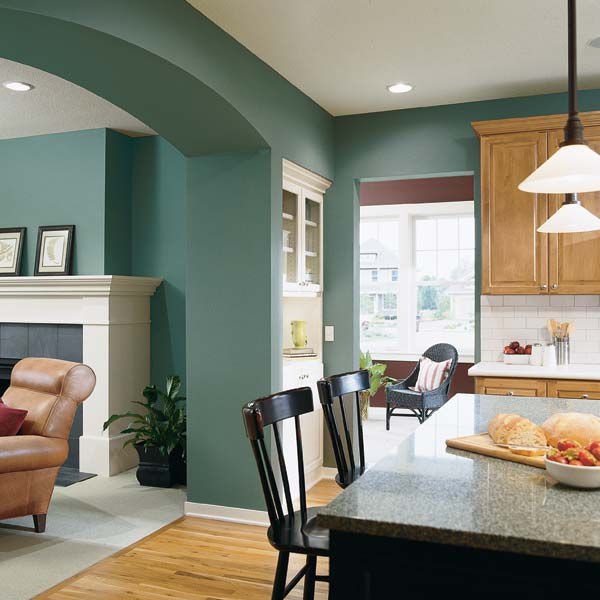
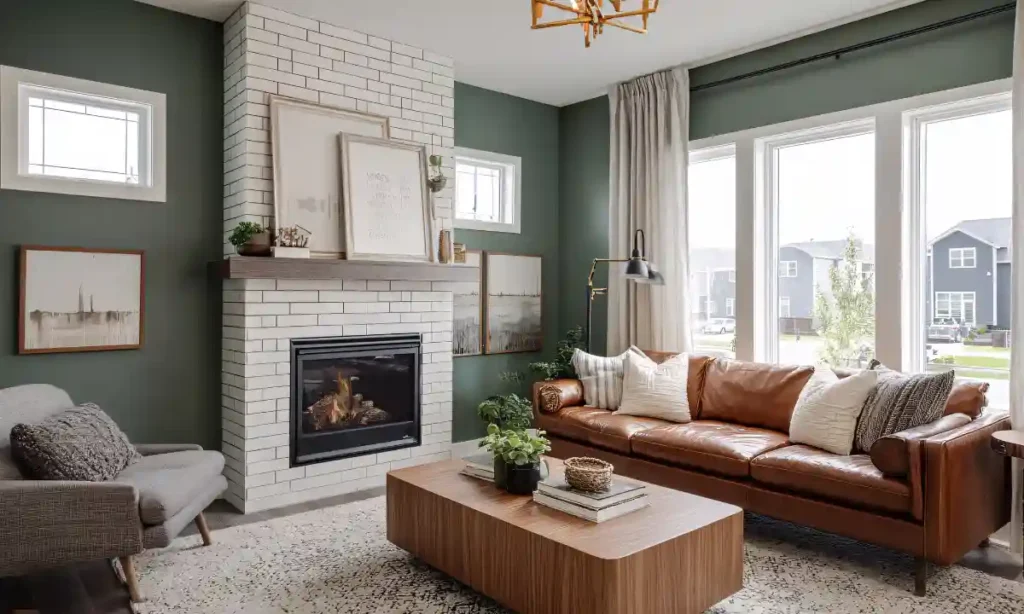
Every effective living room layout has a clear visual anchor — a fireplace, a TV wall, a large window with a view, or even a statement piece of art. Once you determine your focal point, arrange your main seating to face or frame it. This creates a natural flow and directs the eye.
Plan Clear Walkways
Furniture should never block movement. Leave at least 30–36 inches (75–90 cm) of clear walking space between pieces. Arrange your layout so people can easily enter, move around, and exit the room without navigating obstacles.
Place the Largest Piece First: Anchor the Room
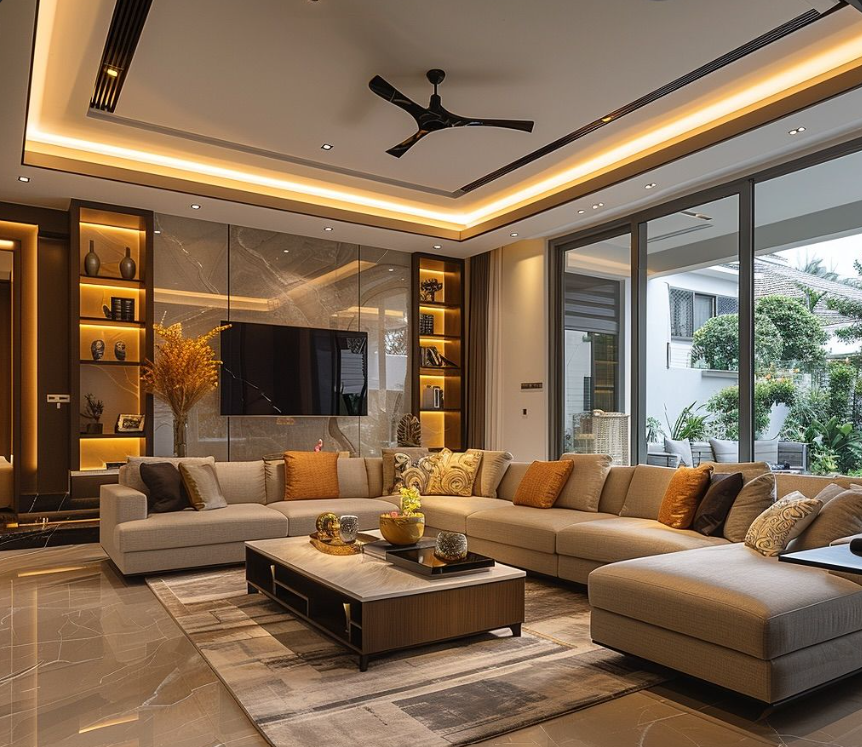
The largest furniture item — typically the sofa — should be placed first. It sets the tone for the rest of the layout.
- Position it opposite or facing the focal point.
- Avoid blocking windows or doorways.
- In larger rooms, you can float the sofa slightly away from the wall to create a cozy central zone.
- In long or narrow rooms, use the sofa to divide the space into zones.
Once the main seating is positioned, other pieces like chairs, loveseats, and tables can be arranged around it.
Choose the Right Layout Style
Different rooms work best with different layouts. Here are some classic strategies you can adapt to your space:
Conversation-Focused Layout
If socializing is the main activity, arrange seating to face each other.
- Position sofas and chairs so people can talk comfortably without shouting.
- Add a central coffee table within easy reach.
- Keep seating distances close enough to encourage interaction, but not crowded.
TV / Entertainment Layout
If watching television is the priority, arrange the seating to give everyone a clear view.
- Place the main sofa directly facing the TV.
- Use accent chairs or swivel chairs that can rotate toward the screen.
- Ensure the TV is at a comfortable viewing height and distance.
Sectional or L-Shaped Layout
Sectionals and L-shaped sofas work beautifully in corners or open spaces.
- Use them to define a seating area in open-plan layouts.
- Balance their bulk with accent chairs, side tables, or lamps on the open sides.
Multi-Zone Layout
In larger living rooms, divide the space into functional zones — for example, a seating area, a reading nook, or a workspace.
- Use rugs, furniture placement, or shelving to subtly separate areas.
- Ensure zones remain visually connected and walkways are unobstructed.
Use Rugs, Tables, and Accent Pieces Strategically
Rugs Define the Space
A rug can visually anchor a seating arrangement and tie the room together.
- Ideally, all main furniture front legs should rest on the rug.
- At minimum, ensure the front legs of sofas and chairs are on it to create a cohesive grouping.
- Choose a rug size that suits the layout — too small and the room will feel disjointed.
Coffee Tables and Side Tables
- Place the coffee table at 18 inches (45–50 cm) from the sofa for easy access.
- Ensure it’s proportionate to the seating size.
- Use side tables near chairs or sofa arms for lamps, drinks, or books.
- In small spaces, nesting tables or lightweight options provide flexibility.
Special Tips for Small Living Rooms
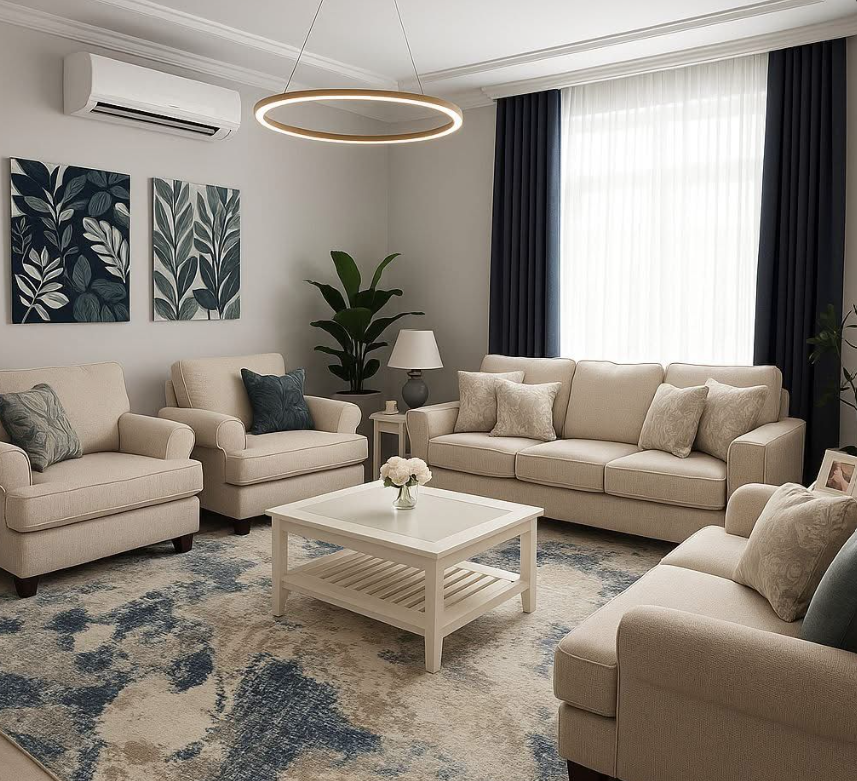
Smaller spaces require clever planning to avoid a cluttered look:
- Float furniture away from walls slightly to make the space feel larger.
- Choose lightweight or transparent pieces (like glass tables) to maintain openness.
- Opt for multi-functional furniture like ottomans with storage or fold-out sofa beds.
- Use vertical storage — tall shelving units free up floor space.
- Stick to a cohesive colour palette to visually expand the room.
Maintain Flexibility and Adaptability
Your layout doesn’t have to be fixed forever. A flexible arrangement allows you to adapt to different occasions — family movie nights, hosting guests, or parties.
- Choose lightweight chairs and stools that can be moved around easily.
- Consider modular or multipurpose pieces that can change functions.
- Use mobile side tables or ottomans that double as extra seating or surfaces.
- Keep pathways clear so re-arranging is simple when needed.
Balance, Symmetry, and Visual Harmony
A well-arranged room feels balanced, even if it’s not perfectly symmetrical.
- Proportion matters: Don’t pair a massive sofa with a tiny coffee table.
- Symmetry (like matching chairs on either side) creates a formal, structured look.
- Asymmetry with varied heights and sizes can feel more dynamic and casual.
- Make sure visual weight is distributed evenly throughout the space.
- Always reinforce the focal point with the arrangement, not distract from it.
Conclusion
Arranging living room furniture is about more than just placing pieces randomly — it’s a deliberate design process that combines function, aesthetics, and flow. By defining the room’s purpose, establishing a focal point, planning clear walkways, and applying smart layout strategies, you can create a living room that’s inviting, comfortable, and visually balanced.
Whether your space is large or small, modern or classic, the right arrangement can make a significant difference in how the room feels and functions every day.
This also read:- Brightening Up Your Space: The Power Of Neon Signs And Clocks In Home Decor